National Gin and Tonic Day
National Gin and Tonic Day is celebrated on April 9. Some drinks feel seasonal. Some feel fashionable. And then there is the gin and tonic: crisp, bitter, cold, and forever convinced that a handful of ice cubes can solve almost anything.
But did you know that behind that clean, sparkling glass is a story that runs through old European medicine, colonial trade, malaria treatment, carbonated drinks, and the long evolution of gin itself?

The history of gin: from medicine cabinet to cocktail menu
Long before gin became a bar staple, juniper-flavored spirits were linked to medicine. The name “gin” traces back to genièvre, the French word for juniper, which became genever in Dutch and was later shortened to gin in English. Gin’s early history is tied to the Low Countries, especially Holland and the Netherlands, where juniper was distilled with spirits and used as an inexpensive medicinal drink.
Gin later became hugely popular in England after the arrival of Dutch-style genever and changes in trade and drinking culture. Over time, distillation improved, styles evolved, and gin moved from rough medicinal spirit to something cleaner and more refined.
What makes gin gin, of course, is juniper. By definition, juniper has to be the leading botanical, though modern gins may also include coriander, citrus peel, angelica root, or floral and spice notes. That is why one gin and tonic can taste piney and sharp while another feels soft, citrusy, or herbal.
The History of Tonic: Bitter Beginnings
Tonic water has an even more medicinal backstory. Its defining ingredient is quinine, a compound derived from the bark of the cinchona tree. For centuries, quinine was important in the treatment of malaria.
Because quinine is intensely bitter, people looked for ways to make it easier to consume. In the 19th century, quinine was mixed with soda and sugar, creating the earliest versions of tonic water. Commercial tonic water followed, and Schweppes says it introduced Indian Tonic Water in the 1870s, building on its earlier expertise in carbonated drinks.
Modern tonic water still contains quinine, but in much smaller quantities than the medicinal versions used in the past. Today it is valued more for its unmistakable bitter edge and refreshing fizz than for any medical purpose.
How Did Gin and Tonic Come Together
The most widely repeated origin story places the gin and tonic in 19th-century British India. British officials and soldiers used quinine to help protect against malaria, but quinine was unpleasantly bitter. Mixing it with soda, sugar, and eventually gin made it far more drinkable. That combination gradually became the gin and tonic.
The Simplest Way to Make a Classic Gin and Tonic
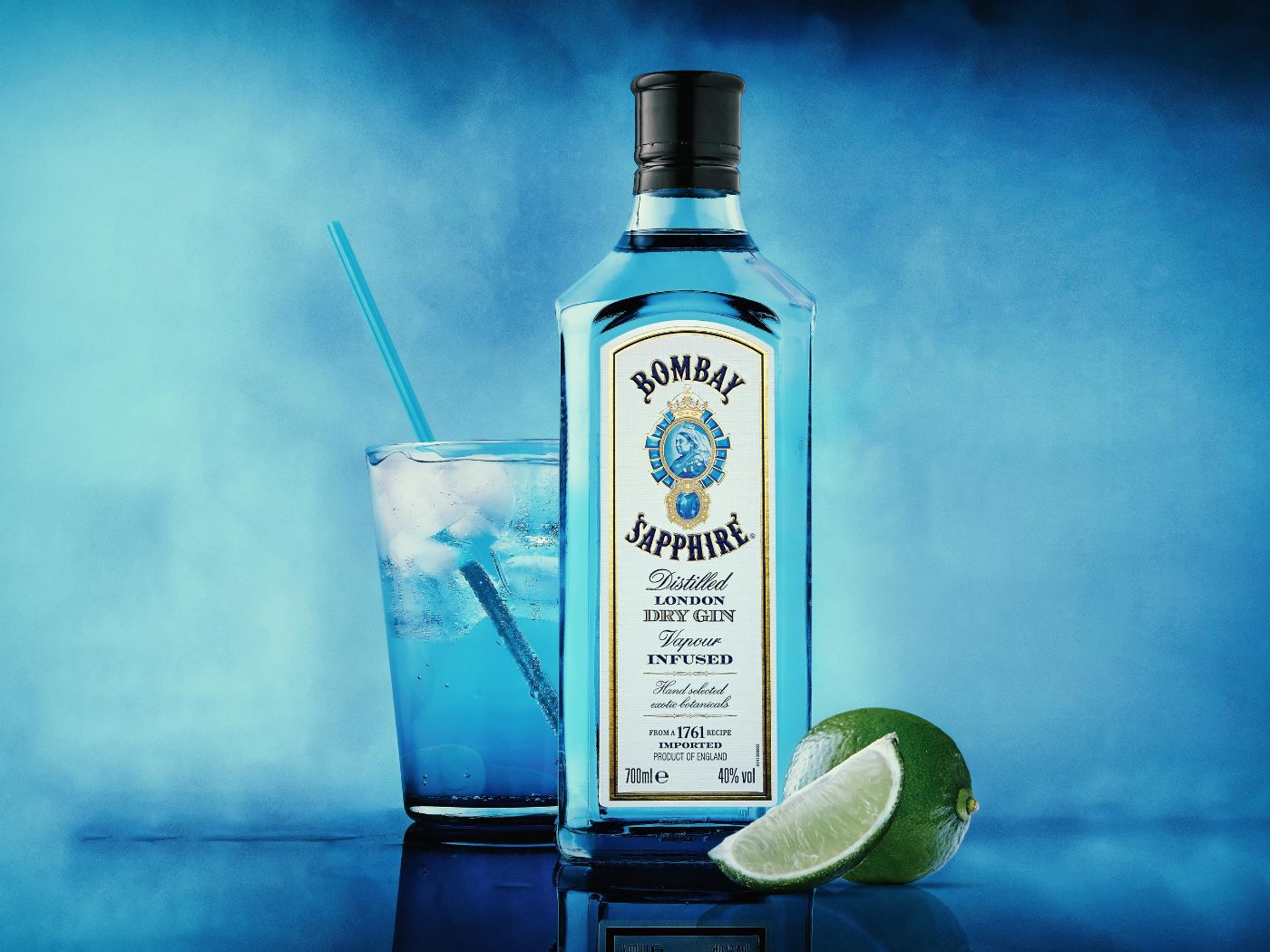
A classic version does not need much fuss. Use gin, tonic water, plenty of ice, and a wedge of lime. A common modern approach is roughly one part gin to two or three parts tonic, though taste always comes first. The goal is not to bury the gin, but to let the botanicals and bitterness meet in the middle.